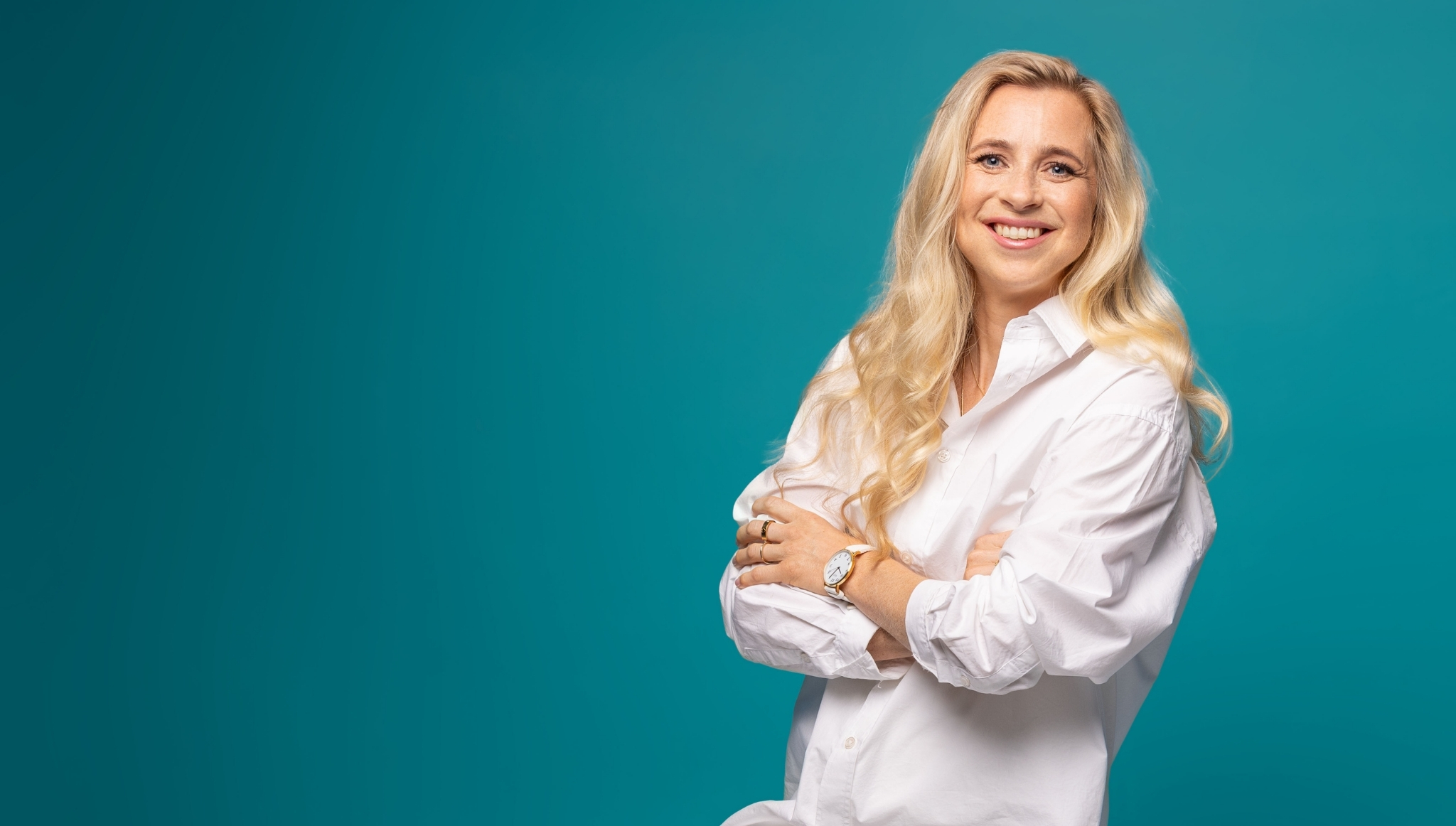
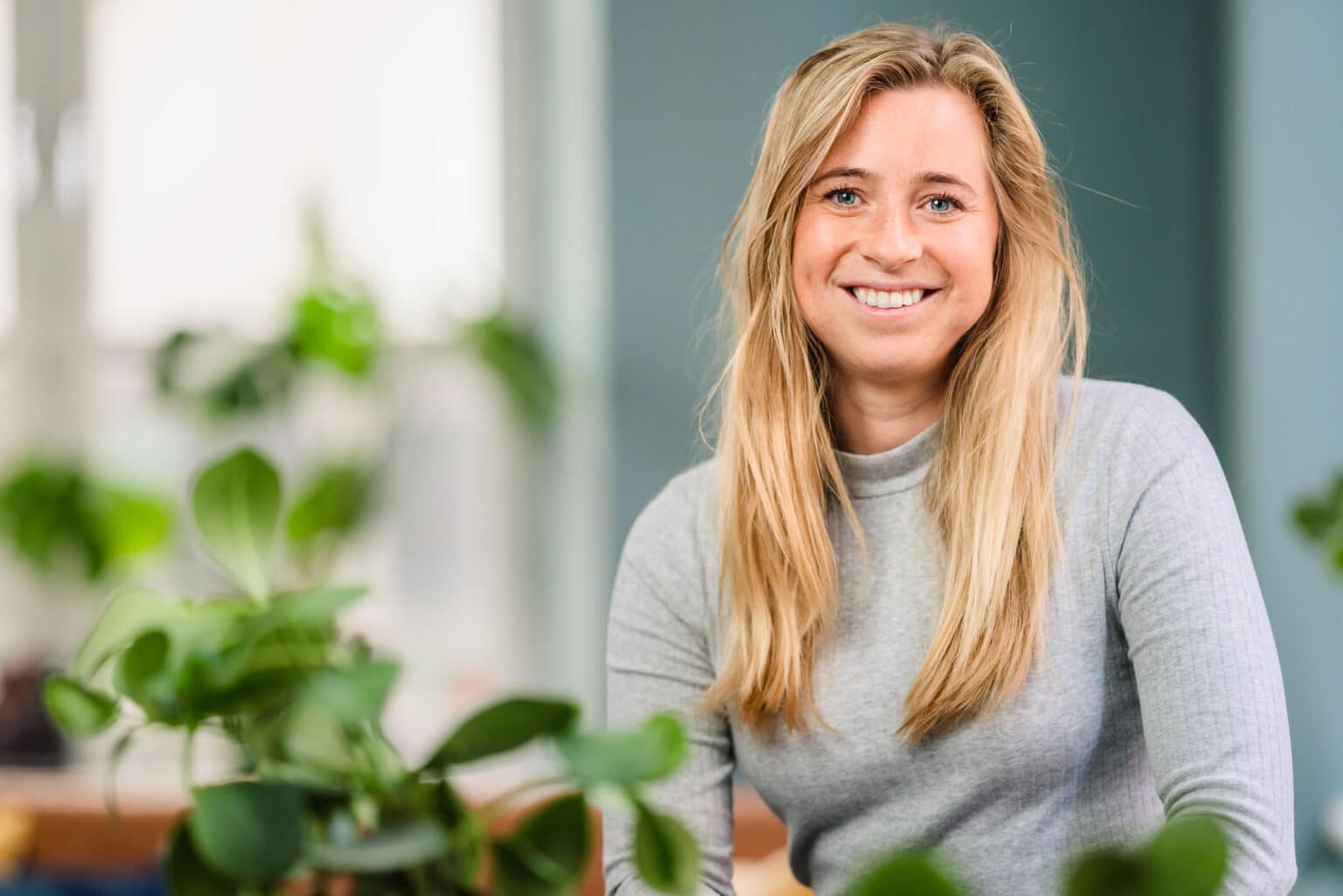
Malin Rapp, named Speaker of the Year 2023 & 2025, inspires leaders and employees in Sweden and globally to create learning, sustainable and responsible cultures through self-leadership.
Malin helps companies and organizations create cultures that make people grow in a common direction. She provides thoughtful perspectives on how we can better lead ourselves, and each other, to create thriving teams - in good times and bad. It's about the ability to deal with change and uncertainty, while maintaining joy, development and energy. Malin shows how, both as individuals and as a team, we can actively choose to think differently to increase our self-leadership, collaboration and well-being to create better outcomes together.
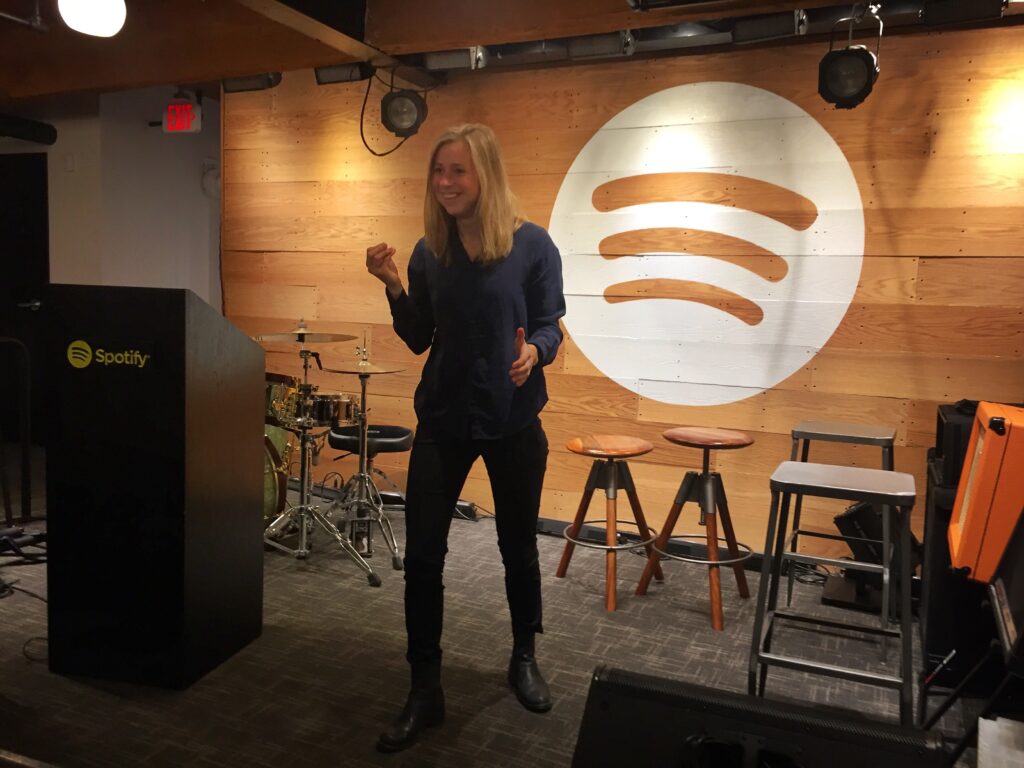
With her background as a professional extreme athlete with a WC title in Snowkite and her academic background in cognitive neuroscience and motivational research, Malin Rapp has a unique ability to bridge research into practical reality. She directs courses at the Stockholm School of Economics, has lectured at Harvard and, in collaboration with researchers at Karolinska Institutet, has produced measurable results on methods and interventions. Malin Rapp's ability to share in an inspiring way concrete tools for increased engagement, collaboration and job satisfaction makes her a regular lecturer with clients such as Spotify, Ericsson, Google, Mastercard, SIDA and Storytel. In addition, he also worked as an expert in TV4 morning sofa, SVT morning studio, SVD and DN.
Trust within teams is critical to a thriving and collaborative culture that drives innovation. Studies from Harvard show that trusting teams have 74% lower stress levels, 50% higher productivity, and 70% higher commitment compared to teams that lack confidence. Not actively bolstering trust in teams risks a threatening culture of silence in which employees hold back, avoid challenges, don't contribute ideas and speak up when something is wrong. When Google sought answers on what contributes to their highest performing team, Google's People Analytics found in their study called “Project Aristotle” that psychological safety is the most reliable and determining factor for a high performing team. Organizational research has further identified psychological safety as a critical factor in understanding what drives cooperation, growth, and early identification of risk. Distinctive in teams with high psychological security are its positive effects and allow rapid adaptation to changes such as new market conditions, customer requirements and internal organizational changes.
Trust within teams is crucial for a thriving and collaborative culture that drives innovation. Studies from Harvard show that high-trust teams have 74% lower stress levels, 50% higher productivity, and 70% higher engagement compared to teams that lack trust. Failing to actively strengthen trust in a team risks creating a threatening silence culture where employees hold back, avoid challenges, refrain from sharing ideas, and do not speak up when something is wrong.
When Google sought answers to what contributes to their highest-performing teams, Google’s People Analytics found in their study, “Project Aristotle,” that psychological safety is the most reliable and decisive factor for a high-performing team. Organizational research has further identified psychological safety as a critical factor in understanding what drives collaboration, growth, and early identification of risks.
Teams with high psychological safety stand out for their positive effects and their ability to adapt quickly to changes such as new market conditions, customer demands, and internal organizational shifts.
In the lecture with Malin Rapp, you will receive thoughtful content about how you as a leader and team create psychological security and learning, how you can manage to see opportunities, help each other and take responsibility in changing and challenging situations. You as a participant also try concrete exercises and approaches to increase psychological security, learning and behavior change in the team and the entire culture.
The lecture deals with areas and issues such as:
Strengthening the team and strengthening the culture is critical to adapting to uncertainty and change. In the midst of these work-related shifts, it is important to step up and support each other. As a team, it's about finding ways to recognize everyone, celebrate common goals, encourage self-governance, and focus on each team member's strengths.
This engaging conversation provides thoughtful perspectives on how to better organize as a team and gain more energy. Participants gain useful tools and insights that will boost their energy levels and team spirit.
How can we as an organization live our values and thrive in our culture when our employees work remotely and in place? As a leader, it's important to be flexible, build a culture of trust, set clear expectations, and focus on inclusion when leading a hybrid workplace.
A lot has been at stake for both employers and employees — increased uncertainty and faster changes, both economically and technologically. Many are wondering how things will turn out. Some experience a more stressful situation at work as teams shrink and attention is stretched, while others feel threatened by the rapid AI development we’ve seen, not least through the emergence of ChatGPT. One thing we do know is that it is absolutely crucial that we ourselves change and adapt to our new reality in order to stay relevant, feel well, and navigate uncertain times.
SelfLed, which has supported and helped organizations for 15 years, has identified common keys — both in research and among the companies and employees who master change and emerge from challenging times as winners!
What distinguishes companies, teams and individuals who have a good ability to deal with unforeseen changes from others is that they have a learning strategy, what is known in English as the Growth Mindset. Those with a Growth Mindset focus on what they can influence and see new situations as an opportunity to learn something new. They try to find new solutions, persevere when it feels difficult, enlist each other's help, and choose to see setbacks as part of the learning process. The prerequisite for getting individuals to develop and maintain a Growth Mindset, which means that the team as a whole can adapt more quickly to the changes in the outside world and the internal changes they bring, is that the workplace has a high level of security, openness and trust. For these reasons, a Growth Mindset and psychological security should become the top priority for companies and leaders in times like these when company culture and employee motivation for change are absolutely crucial.
During the lecture, Malin provides thoughtful perspectives and concrete tools for you as a leader to strengthen your own and your colleagues' learning and opportunity thinking in uncertain times, and ensure that your team does not stagnate but rather grows and continues to accept challenges and achieve results despite uncertain times.
The lecture deals with areas and issues such as: